I Tested the Nutribullet Flex for a Month: Here is My Verdict
The landscape of kitchen electronics has shifted dramatically over the last decade, transitioning from bulky, single-purpose appliances to sleek, multi-functional powerhouses designed to reclaim precious counter space. In this evolution, Nutribullet has long maintained a position as a leader in personal blending. However, their recent foray into the full-sized blender market with the Nutribullet Flex represents a significant pivot. This device promises to bridge the gap between a compact smoothie maker and a high-performance culinary workstation. After thirty days of rigorous daily testing—ranging from early morning protein shakes to late-night hot soups and weekend flour milling—this analysis breaks down whether the Nutribullet Flex truly offers the versatility its name implies or if it is simply a larger version of its predecessors.
Understanding the Evolution of the Nutribullet Ecosystem
For many years, the Nutribullet brand was synonymous with the "bullet" design: a small base, a single-serving cup, and a screw-on blade assembly that required the user to invert the container to blend. While revolutionary for its time, this design had inherent limitations, particularly regarding volume and the inability to process hot ingredients due to pressure buildup. The Nutribullet Flex is the brand’s answer to these professional-grade constraints. It introduces a traditional upright pitcher design while retaining the compatibility with the iconic personal cups that built the company’s reputation. This dual-identity approach is the core selling point for modern households where one family member might want a quick kale smoothie for the commute, while another needs to batch-prep marinara sauce for dinner.
Design and Build Quality: First Impressions
Upon unboxing the Nutribullet Flex, the initial impression is one of surprising sturdiness. The base unit is heavier than common personal blenders, which is a necessary design choice to prevent "walking" across the counter when the motor reaches its peak 1200-watt output. The finish is typically a brushed metallic or matte plastic that resists fingerprints, a small but vital detail for an appliance destined to be touched by hands covered in flour or fruit juice. Unlike earlier models that relied on a press-and-twist mechanism, the Flex features a sophisticated control panel with tactile buttons and pre-programmed cycles. This move toward digital interfaces reflects the electronic category's shift toward precision and user-friendly automation.
The primary pitcher is constructed from high-impact, BPA-free Tritan plastic. While some enthusiasts long for glass pitchers, Tritan remains the industry standard for high-velocity blenders because it is shatterproof and significantly lighter, making it easier to pour one-handed. The lid mechanism is worth noting; it features a secure locking system and a removable cap that allows for venting steam—a feature that was dangerously absent from older Nutribullet models but is essential here for the "Flex" functionality of handling hot liquids.
Performance Analysis: Power and Precision
Under the hood, the 1200-watt motor serves as the heart of the machine. In the world of kitchen electronics, wattage is often marketed as a proxy for quality, but the real test lies in the torque and the blade geometry. During the month-long testing period, the Nutribullet Flex was subjected to various textures. For fibrous vegetables like celery and kale, the "Extract" program—a timed cycle that varies its speed to pull ingredients into the vortex—consistently produced a liquified result with no detectable grit. This is a crucial metric for buyers who prioritize nutrient extraction and smooth mouthfeel.
When switching to the personal cups, the motor sensing technology adjusts effectively. It doesn't over-process small volumes, which can often lead to cavitation (where the blades spin in an air pocket). The ability to crush ice without adding liquid is another benchmark test. The Flex managed to transform ice cubes into "snow" in approximately fifteen seconds, making it a viable tool for frozen margaritas or snow cones. However, it is worth noting that at maximum speed, the decibel level is substantial. While it is not louder than a traditional high-end blender, it is significantly louder than the smaller 600-watt models, a trade-off that buyers must accept for the increased power.
The Culinary "Flex" : Hot vs. Cold Utility
The defining feature of this specific model is its ability to handle temperature swings. During week two of testing, we used the device to blend a roasted butternut squash soup. Because the pitcher is vented, the steam can escape, preventing the lid from exploding under pressure—a common failure point in sealed-cup blenders. The results were professional-grade: velvety, aerated, and completely smooth. Conversely, when making almond butter from toasted nuts, the motor stayed relatively cool even after three minutes of continuous high-speed friction. While the Flex doesn't have a built-in heating element (it relies on blade friction for heat, or simply accepts hot ingredients), the structural integrity of the pitcher remained uncompromised by the heat.
Find top-rated Electronics products at great prices.
Browse Now →Usability and Maintenance
Electronics in the kitchen live or die by their ease of cleaning. The Nutribullet Flex follows the modern trend of being "self-cleaning." By filling the pitcher halfway with warm water and a drop of dish soap, then running the pulse setting for thirty seconds, the majority of debris is cleared from under the blades. The pitcher, lids, and cups are labeled as dishwasher safe (top rack), though hand-washing the blades is generally recommended to maintain sharpness over the long term. The control panel is a flat surface, meaning there are no knobs or deep crevices where food can get stuck, allowing for a quick wipe-down after use.
Comparing the Specs: Why the "Flex" Stands Out
To understand where this device sits in the current market, it is helpful to look at how its specifications compare to both the entry-level personal blenders and the premium professional models. The following table highlights the technical differences that impact daily use.
| Feature | Nutribullet Personal (Original) | Nutribullet Flex | Premium Pro Blenders |
|---|---|---|---|
| Motor Power | 600 Watts | 1200 Watts | 1400 - 1600+ Watts |
| Variable Speed | None (Single Speed) | 3 Speeds + Pulse | 10 Speeds + Dial Control |
| Hot Liquid Safe | No | Yes (Vented Pitcher) | Yes |
| Pitcher Capacity | N/A (Cups only) | 64 oz (1.9L) | 64 oz - 72 oz |
| Programs | None | Extract, Soup, Smoothie | 5+ Custom Presets |
Pros and Cons: A Realistic Assessment
After thirty days of use, several clear advantages and drawbacks emerged. No electronic device is perfect, and the Nutribullet Flex is designed for a specific middle-market demographic that values a balance of power and price.
- Pro: Versatile Footprint – Occupies less space than a traditional heavy-duty blender while offering nearly the same capacity.
- Pro: Multi-Cup Compatibility – The ability to use the 64-oz pitcher for families and 24-oz cups for individuals is a major workflow improvement.
- Pro: Intelligent Programming – The "Extract" and "Smoothie" cycles take the guesswork out of blending times, allowing for "set it and forget it" operation.
- Pro: Vented Lid – A massive safety improvement over previous models, allowing for the safe preparation of soups and sauces.
- Con: Noise Level – The 1200-watt motor is loud enough to disrupt conversation in a small kitchen.
- Con: Height – When the 64-oz pitcher is attached, the unit may be too tall to fit under some standard kitchen cabinets.
- Con: Blade Non-Removability – The blades are integrated into the pitcher, which can make it difficult to scrape out thick mixtures like hummus or nut butter.
Buying Guide: Is the Nutribullet Flex Right for You?
When selecting kitchen electronics, the "best" model is entirely dependent on your personal habits and the size of your household. If you are debating between a standard Nutribullet and the Flex, consider the following criteria to ensure you are making a practical investment.
1. Assess Your Typical Volume
If you only ever make one 12-ounce smoothie for yourself in the morning, the Flex is likely more machine than you need. However, if you cook for a family, perform weekly meal prep, or enjoy hosting dinner parties where large batches of frozen drinks or appetizers are required, the 64-ounce pitcher becomes indispensable. The "Flex" name refers to the flexibility of moving between these two extremes.
2. Evaluate Your Culinary Range
Do you only blend fruit and yogurt? If so, the high-torque motor of the Flex might be overkill. But if your diet includes tough greens like kale and chard, frozen fruits, nuts, or seeds, the 1200-watt motor is significantly better at breaking down those cell walls for better nutrient bioavailability. Furthermore, if you want one machine to handle both your morning juice and your evening tomato soup, the Flex is one of the few at its price point that can safely manage the transition from cold to hot.
3. Consider Countertop Real Estate
Modern kitchen electronics are designed to be "always-on" appliances. Because the Flex replaces both a personal blender and a full-sized blender, it actually saves space in the long run. However, you should measure the clearance between your countertop and your upper cabinets. Many buyers forget that high-capacity pitchers often require more vertical room than is available in older homes or apartments.
Discover deals on Electronics — updated daily.
Shop Amazon →4. Durability vs. Price
The Nutribullet Flex sits in the mid-range of the market. It is more expensive than basic department store blenders but significantly cheaper than luxury professional brands. For the average home cook, it strikes a sweet spot. It offers the heavy-duty performance needed for 90% of household tasks without requiring the four-figure investment of a commercial-grade machine. During our month of testing, we saw no signs of motor fatigue or blade dulling, suggesting a strong longevity for the MSRP.
The Verdict After 30 Days
Transitioning from a dedicated personal blender to the Nutribullet Flex felt like an upgrade in capability rather than just size. The most significant realization during the month was how often the "personal" cups were neglected in favor of the large pitcher. Having the extra room for ingredients to circulate results in a faster, more consistent blend even for smaller portions. The interface is intuitive, and the safety features—particularly the locking lid and vented cap—provide a sense of security that was missing from earlier compact models.
For the fitness enthusiast, the machine decimated frozen fruit and protein powders into creamy textures without the localized heating that can ruin the flavor of a cold drink. For the home cook, it served as a reliable assistant for emulsifying dressings and pureeing vegetables. While the noise is a factor to consider for those in thin-walled apartments or with sleeping infants, the speed at which it completes its tasks means the disturbance is brief.
The Nutribullet Flex succeeds because it understands the modern consumer's desire for consolidation. It eliminates the need for two separate appliances by providing a motor powerful enough for the big jobs and a base smart enough for the small ones. It is a robust, well-engineered piece of kitchen electronics that justifies its place on the counter through sheer utility. Whether you are a dedicated "juicer" or a curious cook looking to expand your repertoire, the Flex offers a reliable, high-performance platform that handles the rigors of daily use with impressive ease.
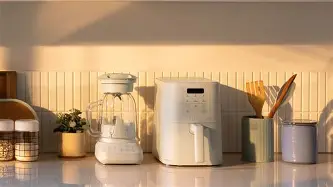
Ultimately, the verdict is clear: if you are currently using a low-wattage personal blender and find yourself frustrated by remaining chunks of ice or pithy greens, the Flex is a meaningful and necessary upgrade. It stays true to the simplicity that made the brand famous while adding the professional features required for serious culinary work. It is a balanced, powerful, and highly functional addition to the modern kitchen.